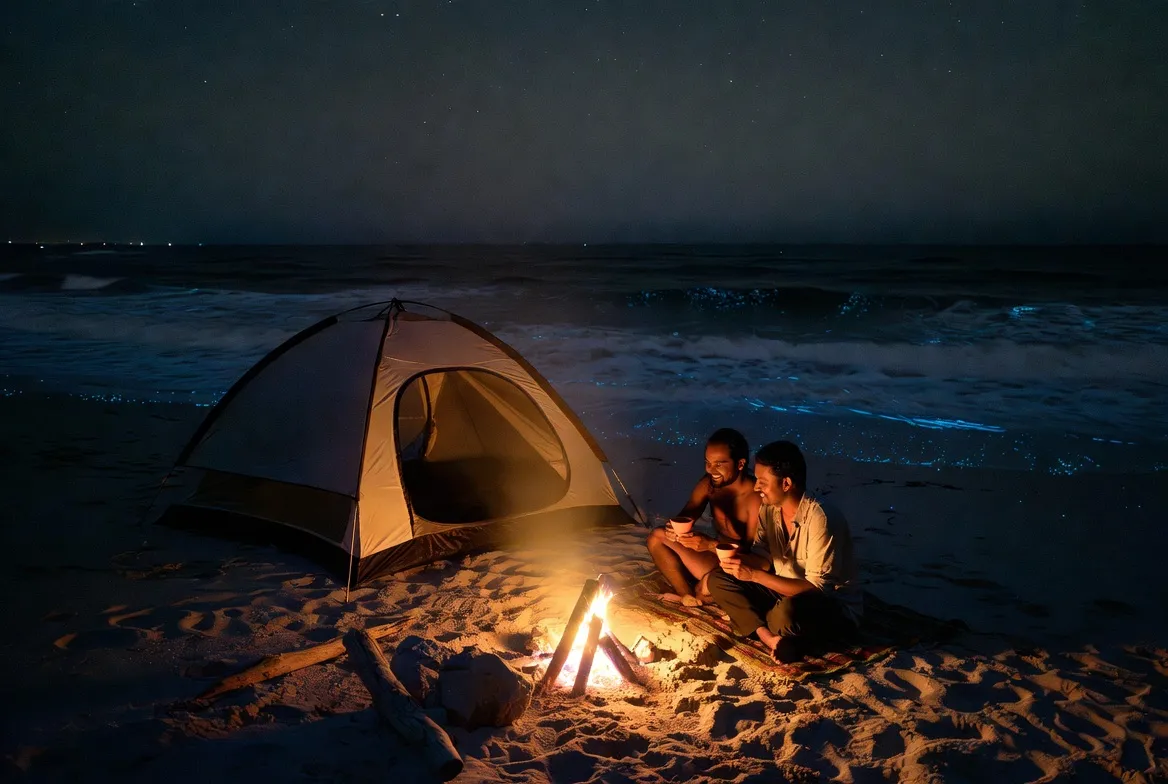
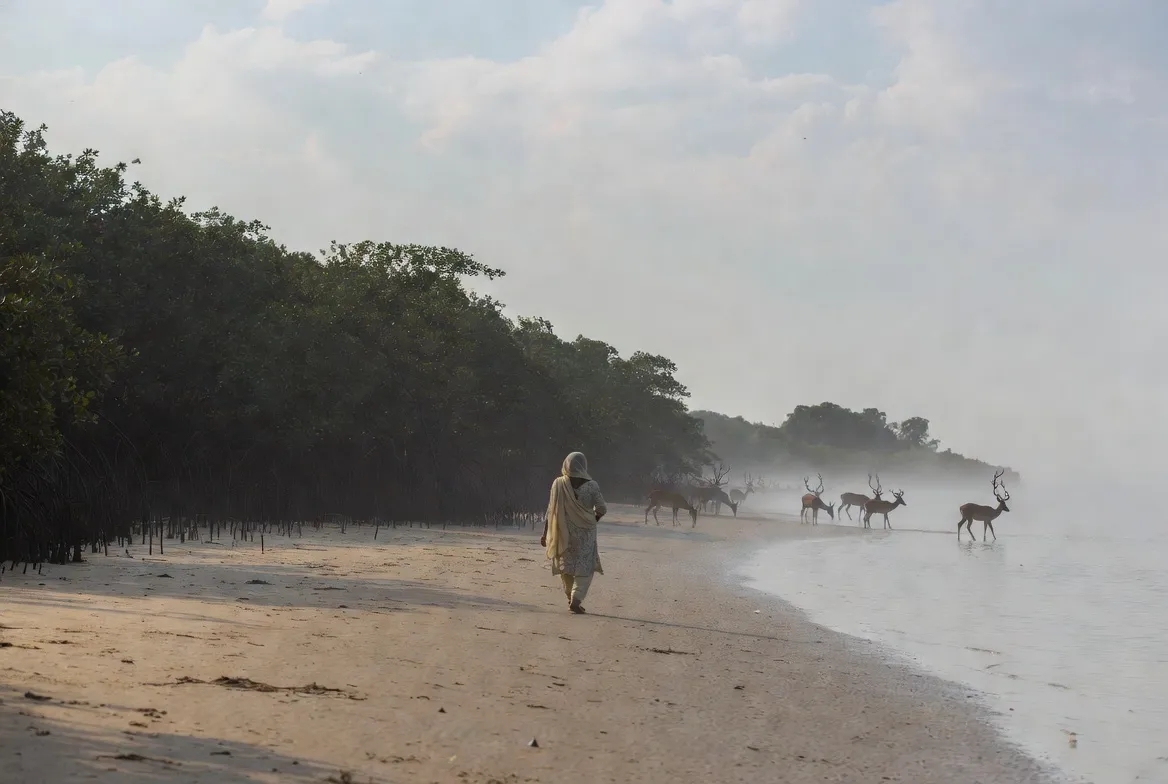
The Wanderlust of 2026
Let’s face it: the urge to explore the world doesn’t care about inflation or your bank account balance. As we step into 2026, the travel landscape has evolved. It’s no longer just about luxury resorts and first-class flights; it’s about authentic experiences, "dupe" destinations, and smart financial planning. Whether you are a student from Dhaka saving up tuition money or a corporate professional looking for a break without breaking the bank, budget travel is an art form that anyone can master.
In this comprehensive guide, we will dive deep into the strategies that seasoned travelers use to see the world for a fraction of the cost. From hidden gems in Asia to navigating the complex world of airline algorithms, this is your roadmap to traveling smarter in 2026.
The Philosophy of Budget Travel in 2026
Gone are the days when budget travel meant uncomfortable bus rides and sleeping in dodgy motels. In 2026, "Budget Travel" equals "Value Travel." It’s about prioritizing what matters. Do you need a 5-star hotel if you’re going to be out exploring for 12 hours a day? Probably not.
The trends for 2026 focus on:
Micro-cations: Shorter, more frequent trips to nearby countries.
Sustainable Travel on a Budget: Using public transport and eating local, which saves money and the planet.
Tech-Savvy Planning: Using AI tools to find price drops instantly.
Chapter 1: Top Affordable Destinations for 2026
If you are holding a passport from a developing nation or just want to stretch your dollar/taka, these destinations offer incredible value.
1. The Rise of "Destination Dupes"
A major trend in 2026 is swapping expensive cities for cheaper, equally beautiful alternatives.
Swap Japan for Vietnam: While Japan is amazing, Vietnam offers stunning landscapes, rich history, and incredible food at a third of the cost. Ha Long Bay and Ninh Binh offer breathtaking views that rival any expensive Asian destination.
Swap The Maldives for The Philippines: Palawan and Siargao in the Philippines offer pristine turquoise waters and white sands similar to the Maldives but with accommodation options starting as low as $15-20 per night.
Swap Switzerland for Kashmir (India) or Kyrgyzstan: If you crave mountains, the scenery in Kashmir or the raw beauty of Kyrgyzstan offers snow-capped peaks and alpine lakes for a fraction of the Swiss price tag.
2. Thailand: The Evergreen Budget King
Thailand remains a top choice, but in 2026, the smart money is moving away from Phuket. Head to Isan (North East Thailand) or the islands of Koh Chang. Street food is still available for under $2, and hostels are social, clean, and cheap.
3. Sri Lanka: The Pearl of the Indian Ocean
After stabilizing its economy, Sri Lanka is eager for tourists. The train ride from Kandy to Ella costs less than a cup of coffee in Europe. Homestays are popular here, allowing you to stay with locals, eat homemade curry, and save massive amounts on accommodation.
Chapter 2: Mastering Off-Season and Shoulder Season
Timing is everything. If you travel when everyone else travels (Christmas, Eid, Summer Holidays), you are paying the "tourist tax."
The Magic of Shoulder Season
The "Shoulder Season" is the sweet spot between peak and off-peak.
Europe: Try visiting in late October or March. You might need a light jacket, but flights can be 40% cheaper, and the Louvre won’t have a 3-hour queue.
South East Asia: The monsoon season is often demonized, but modern weather patterns mean it rarely rains all day. Visiting Bali or Thailand during the "green season" means lush landscapes and luxury villas for budget prices.
Chapter 3: Flight Booking Hacks 2.0
By 2026, airline pricing algorithms have become smarter, but so have travelers.
1. The "Skiplagging" Technique
This is controversial but effective. Sometimes, a flight from Point A to Point C with a layover in Point B is cheaper than a direct flight to Point B. You book the flight to C but get off at B (carry-on bags only!). Warning: Do not do this frequently with the same airline as they may flag your account.
2. Dynamic Currency Conversion
When booking international flights or hotels, always pay in the local currency of the website, not your home currency. If the site offers to convert it for you, decline. Your bank usually offers a better exchange rate than the airline’s inflated rate.
3. The 24-Hour Rule
Many airlines and booking sites offer a 24-hour free cancellation policy. If you see a good price, book it. If the price drops the next morning, cancel and rebook. If it goes up, you already locked it in.
Chapter 4: Accommodation and Living Cheaply
Sleeping and eating consume the bulk of your budget. Here is how to hack it.
1. Hostel World & Social Atmosphere
Hostels in 2026 are like boutique hotels. They offer "pod" style beds for privacy while maintaining communal areas. It’s the best way to find travel buddies to split taxi fares with.
2. Night Trains and Buses
Combine transportation and accommodation. Taking a sleeper bus in Vietnam or a night train in India saves you the cost of a hotel night and gets you to your next destination.
3. Eat Like a Local
Use Google Maps to find restaurants with high ratings but low "dollar signs." Avoid places with menus in 5 different languages; they are tourist traps. In countries like Thailand or Malaysia, street food is often fresher and safer than mid-range restaurants because the turnover of ingredients is so high.
Chapter 5: Money Matters & The Digital Nomad Edge
Virtual Banking & Low Fees
Never exchange money at the airport. In 2026, using multi-currency cards (like Wise or local dual-currency cards) is essential. They offer mid-market rates. Always withdraw large amounts at once to minimize ATM fees.
Work While You Travel
The "Workcation" is standard in 2026. If you have a remote job, you can extend your trip indefinitely. Destinations like Bali, Da Nang, and Goa have co-working spaces with high-speed internet, allowing you to earn while you burn through your bucket list.
Chapter 6: Packing Smart – The Art of Carry-On
Budget airlines make their money on baggage fees. To travel cheaply, you must travel light.
Capsule Wardrobe: Pack clothes that mix and match. 3 t-shirts and 2 pants can create 6 outfits.
Wear Your Heaviest Items: Wear your boots and heavy jacket on the plane to save weight in your bag.
Solid Toiletries: Shampoo bars and solid deodorants don’t count towards your liquid limit and last longer.
Conclusion: The World is Waiting
Budget travel is not about being miserly; it is about being resourceful. It’s about realizing that the joy of watching a sunset over the Mekong River costs nothing. The delicious taste of a $1 Banh Mi sandwich is often better than a $50 steak. In 2026, the barriers to travel are lower than ever if you are willing to step out of your comfort zone.
Plan ahead, stay flexible, and embrace the unexpected. The memories you create will be worth far more than the money you save.





.webp)
 (1080 x 1080 px).webp)
.webp)
.webp)
.webp)
.webp)